Snowboarding and skiing
For snowboarding and skiing, impact shorts form one layer within a complete clothing combination. Consider the room under your outer trousers, freedom of movement and waistband position as well as the amount of padding. Bend your knees while trying them on and take up your normal riding position. Compact shorts may suit someone who wants plenty of mobility; another person may prefer more coverage or a longer version. A personal preference alone does not establish a particular garment's suitability.
You may also notice a difference between sitting and moving. A pad can be barely noticeable while standing, yet quite apparent on a hard bench. Include that in your comparison, especially if comfort around the seat matters to you. The current instructions determine which sports the particular model is intended for. Snowboarding, skiing and mountain biking are among the activities explicitly listed for current Demon models.
Sources and image credits: Demon United — X V7 D3O A.I. Women’s Impact Shorts
Ice skating, inline skating and skateboarding
Whether on ice or wheels, a low stance needs room around the hips and thighs. It helps to bend deeply and stand up again several times while trying the garment on. Check that the padding follows your movement without pulling the shorts down or creating a thick fold. There is also less room under slim sportswear than under looser outer clothing.
These activities show why a general product category needs to be distinguished from an individual model. Protective shorts are available for skating, but a particular garment may be intended by its manufacturer for a narrower range of sports. Check this before choosing a model for ice skating, inline skating, skateboarding, longboarding or BMX. The movement and coverage you want are useful points of comparison; they do not replace the model's own instructions.
Mountain biking: assess the chamois and impact padding separately
Mountain biking raises two different questions. You want to sit comfortably on the saddle, and you may also want localised padding around areas such as your hips or tailbone. A cycling chamois is designed for contact with the saddle. Impact shorts may have their padding in other places. British Cycling discusses cycling shorts in terms of saddle comfort, fit and chamois shape; a larger or thicker pad is not necessarily more comfortable.
Impact shorts therefore do not automatically include a cycling chamois. Equally, cycling shorts with a chamois do not automatically provide the pad layout of protective shorts. Some products combine these functions, but that needs to be stated in the particular model's specifications. Also check whether the garment is intended for the type of riding you do.
Try any combination of layers on the bike. Sit on the saddle and stand on the pedals. Check whether you can pedal freely, whether a pad catches the edge of the saddle and whether the waistbands sit comfortably together. Adding layers without trying the combination can be awkward. The useful choice is the combination that suits the model, your clothing and the space you need to move.
Sources and image credits: British Cycling — Buying cycling shorts
Extra comfort during everyday activities
An interest in padded shorts can start with something very simple: liking a little extra cushioning around the seat. Comfort then becomes the main consideration. Think about how the garment fits under everyday clothes, whether it moves easily with you and how the pads feel when you sit down, stand up or walk a short distance. That does not require sporting ambitions or a dramatic story.
Soft cushioning also feels different from a shaped tailbone component or a firmer outer layer. Something barely noticeable in motion may become quite apparent on a chair. A design with substantial padding in selected areas is therefore not automatically the most comfortable choice for prolonged sitting. Treat everyday comfort as a personal fitting question, and check that the manufacturer allows the intended use.
Here, our focus is on clothing, fit and personal preference. We do not present these garments as treatments for symptoms or attribute medical effects to them. The practical starting point remains the same: look at the particular model, feel how it fits during your own movements and choose according to the features relevant to your use.
The real story begins outdoors.
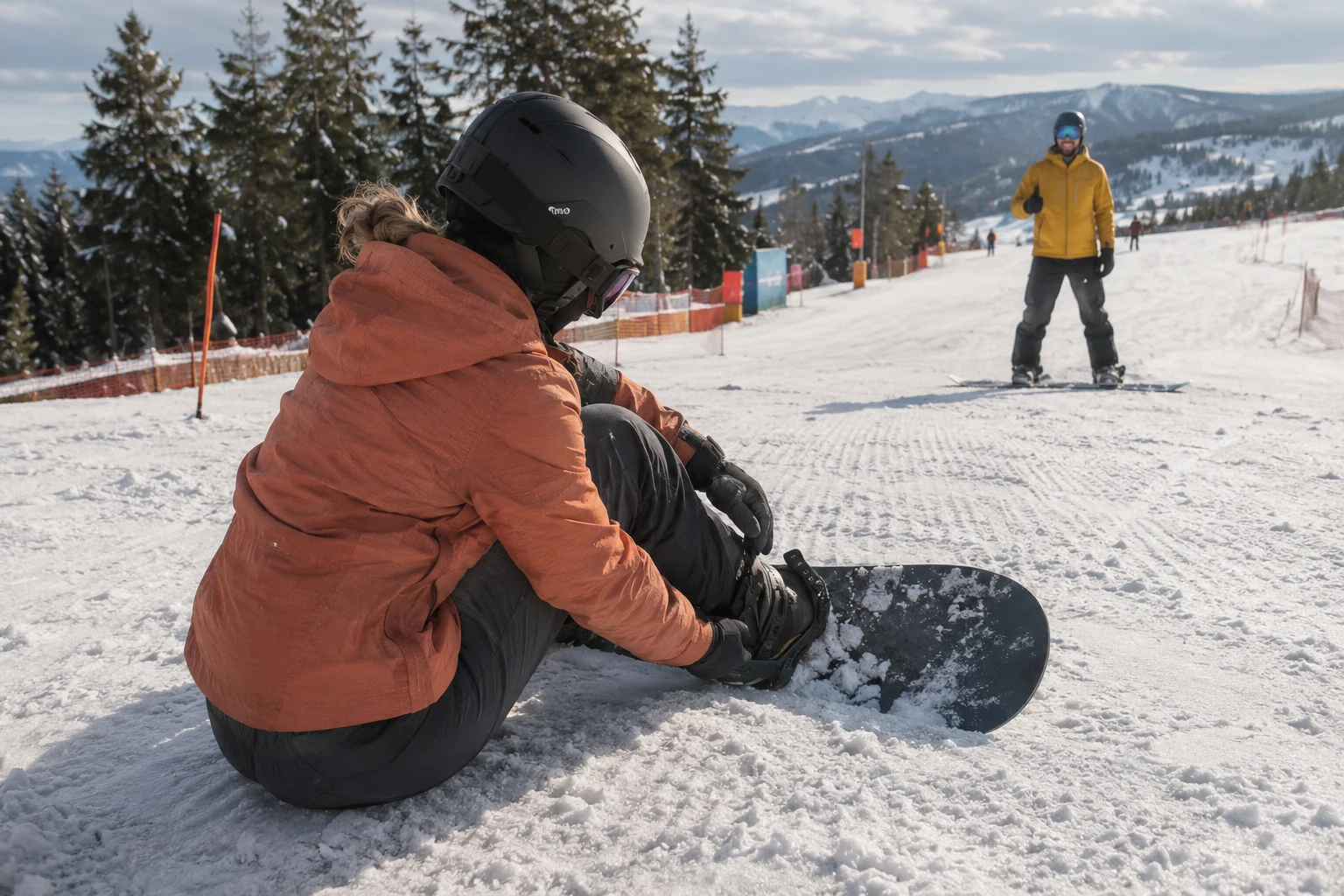
Those first turns on a snowboard
The slope is still quiet. You fasten your back binding, look towards the beginners' area and try to remember what the instructor has just explained.
Read the story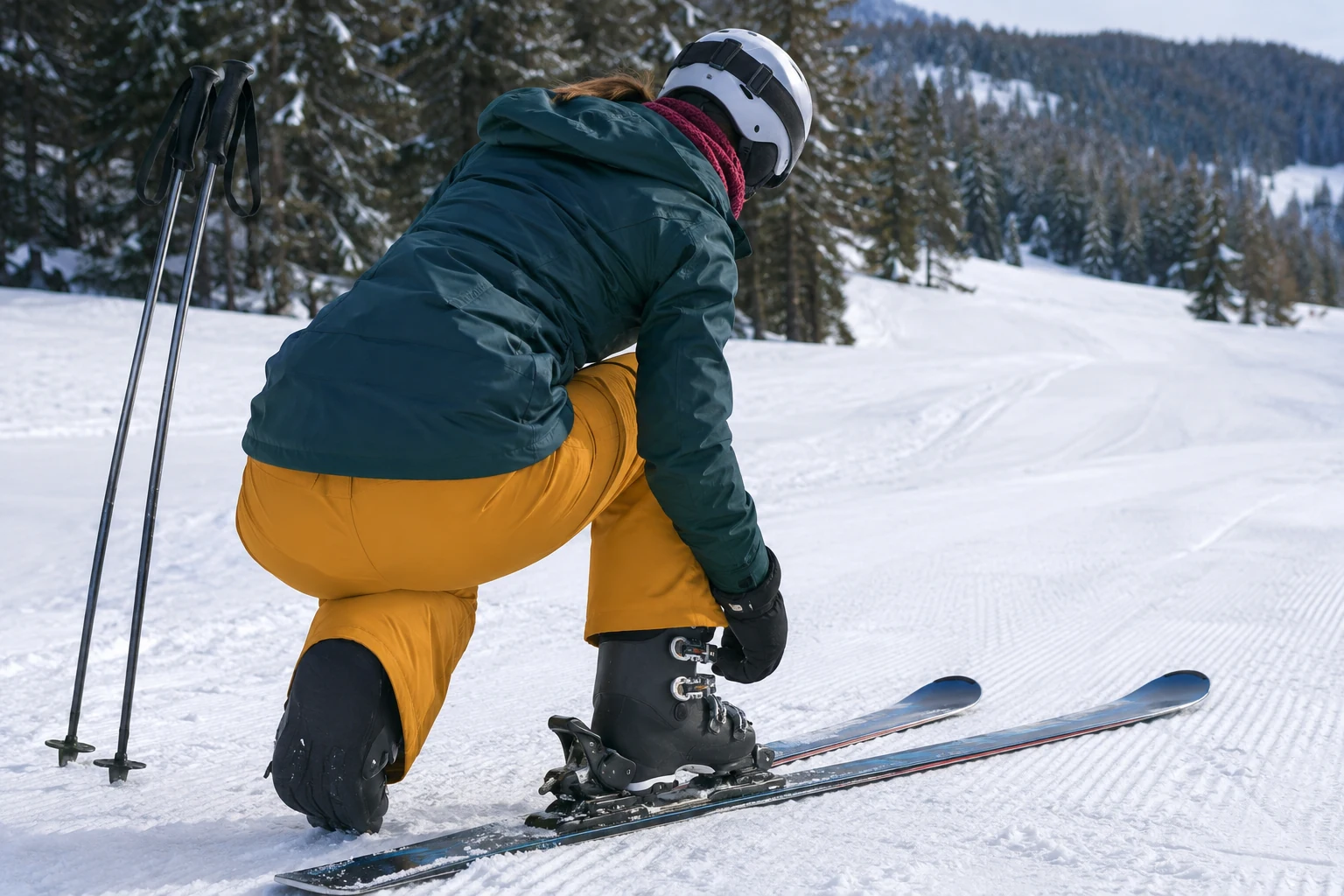
A day on skis with room to move
At the top of the lift, you pull on your gloves. The first descent is about settling into your rhythm; later in the day, you want to keep moving freely.
Read the story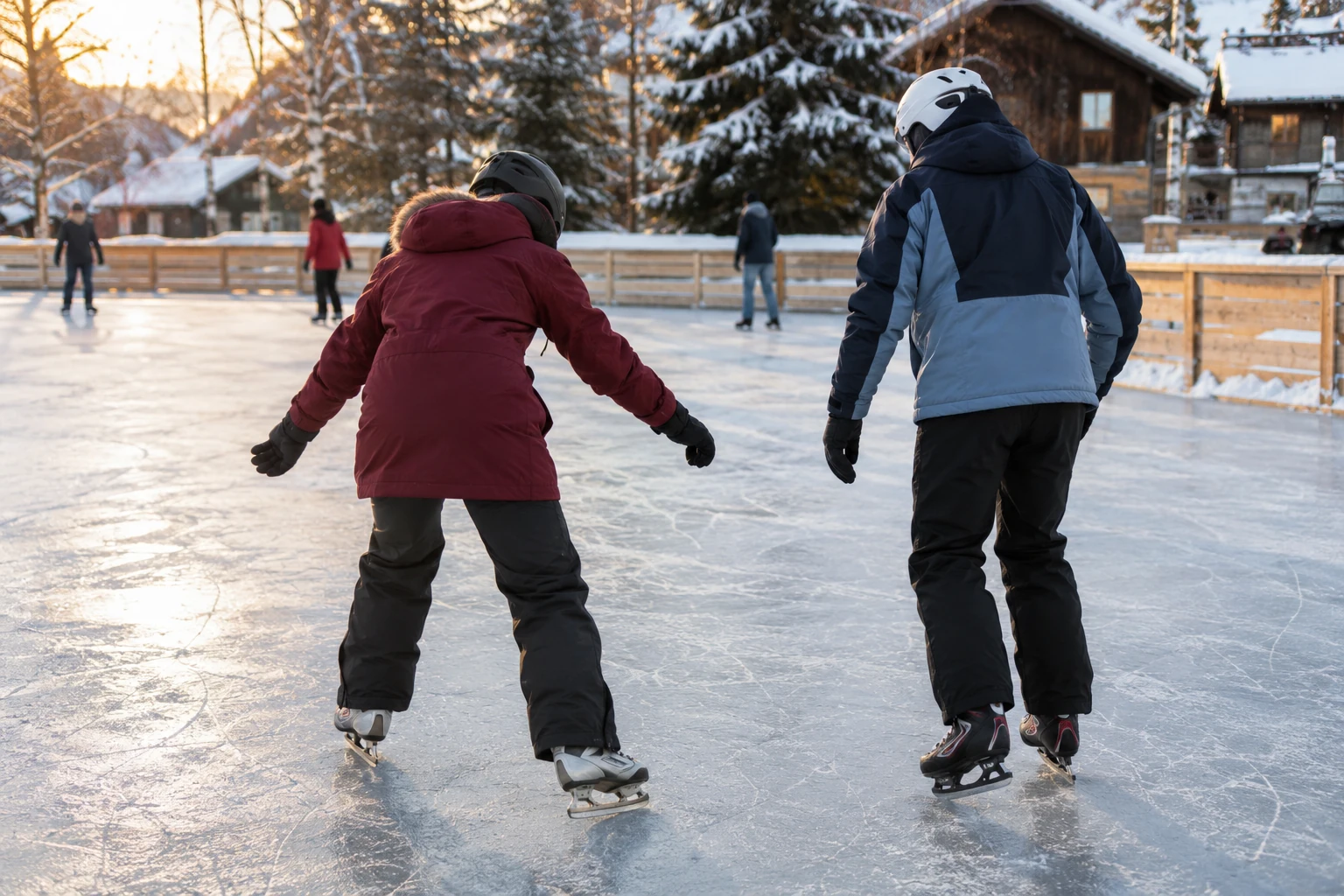
Finding your feet on the ice again
The first few metres are cautious. After a couple of gentle laps, the rhythm returns and you begin gliding in a slightly lower stance.
Read the story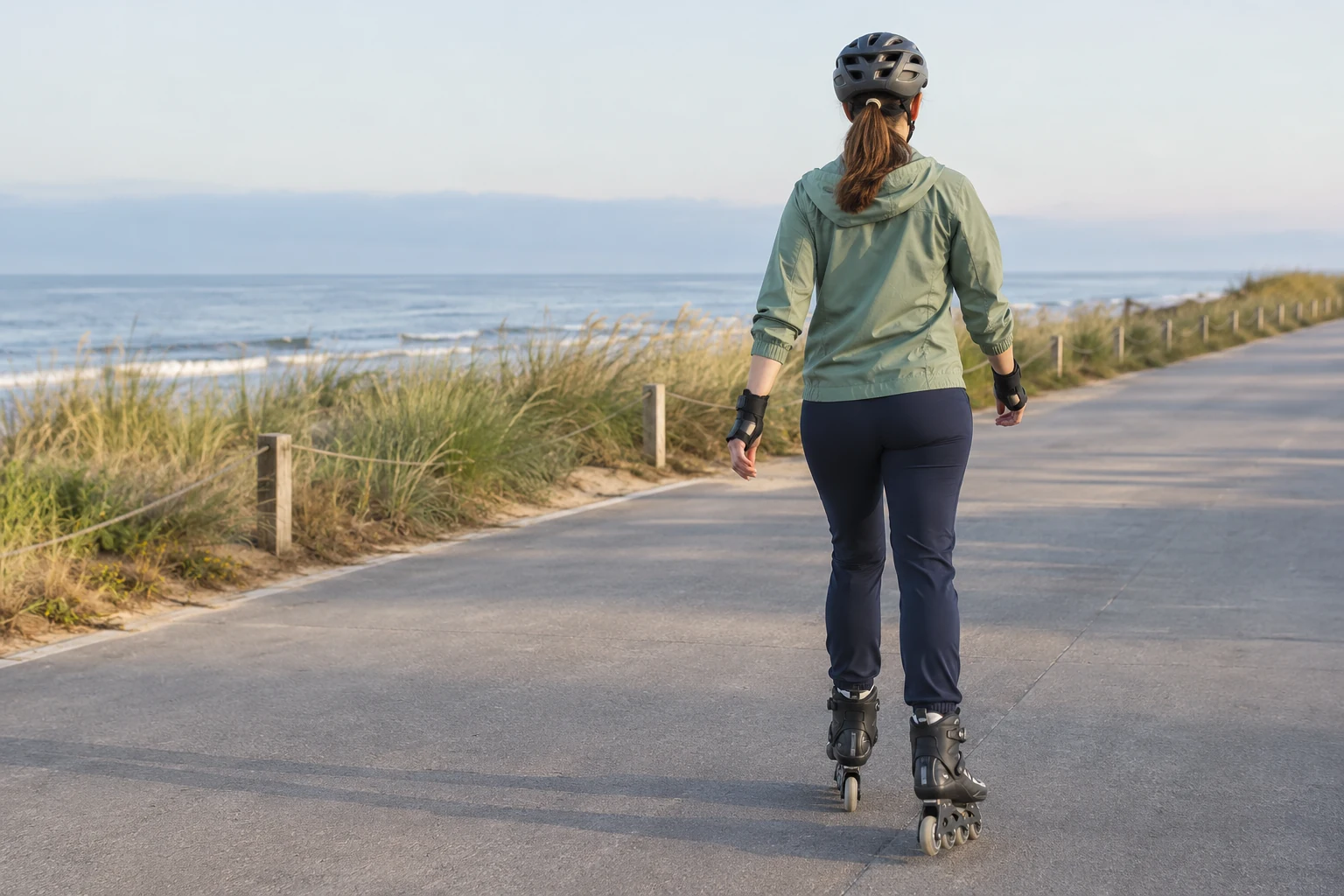
A relaxed outing on inline skates
A level path, an easy pace and a few familiar bends: sometimes an ordinary circuit is all it takes to enjoy moving again.
Read the story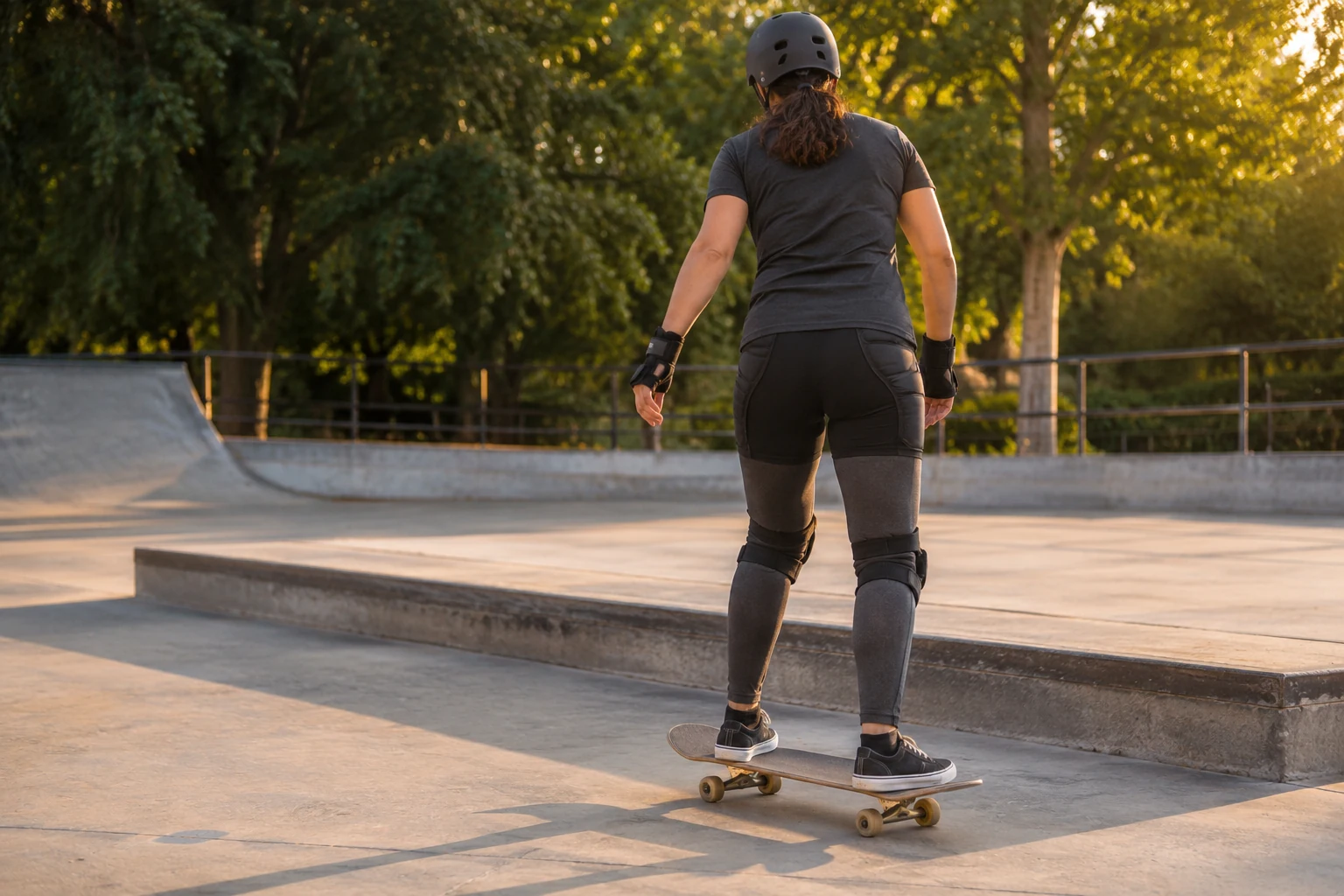
One more gentle try on the skateboard
You try the same small movement once more. No big jump: just rolling gently, making a turn and feeling it become a little more natural.
Read the story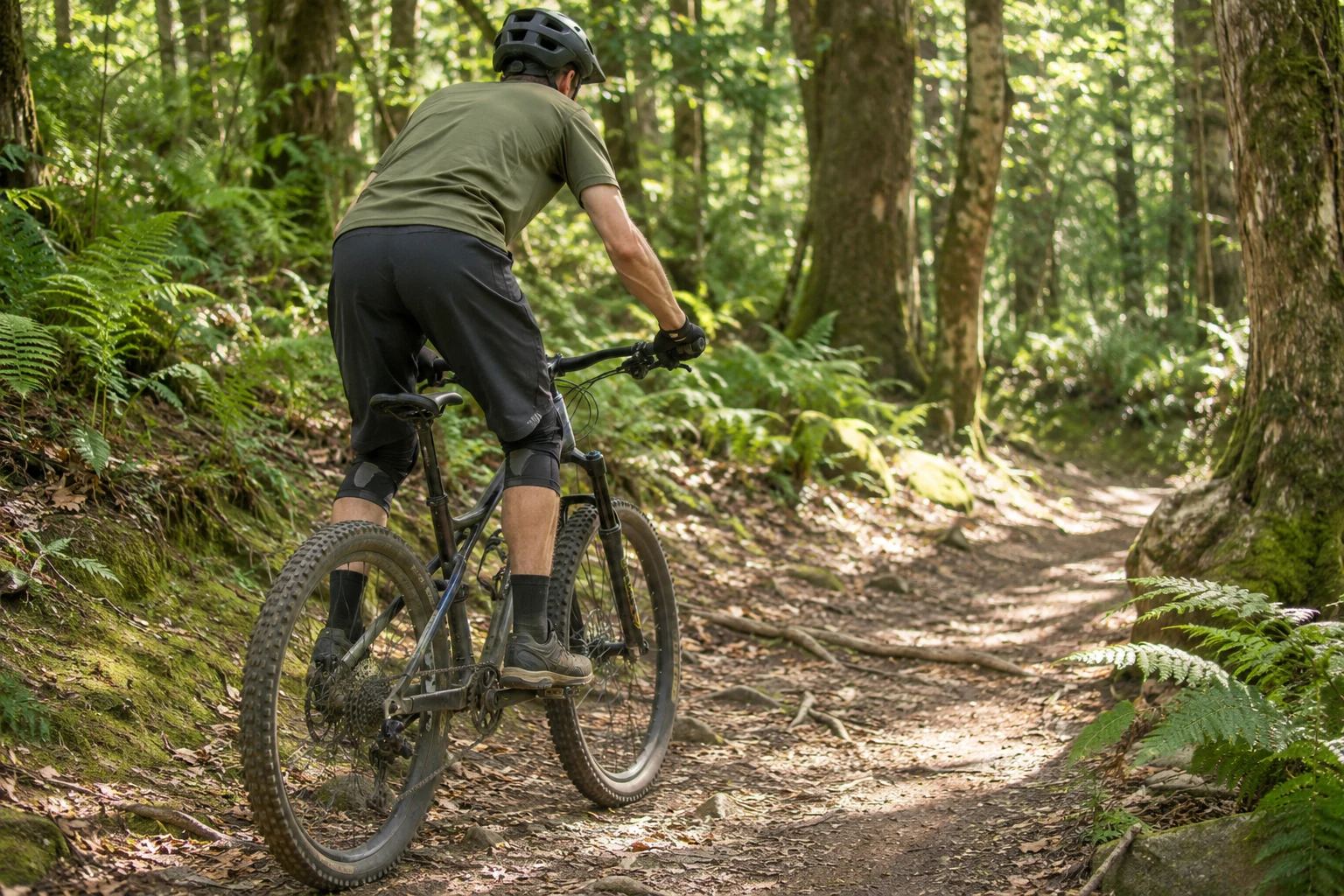
Between climbs and descents on a mountain bike
The trail climbs and you keep pedalling steadily. A little later, you rise out of the saddle for a bend between the trees. The same clothing needs to allow both positions.
Read the story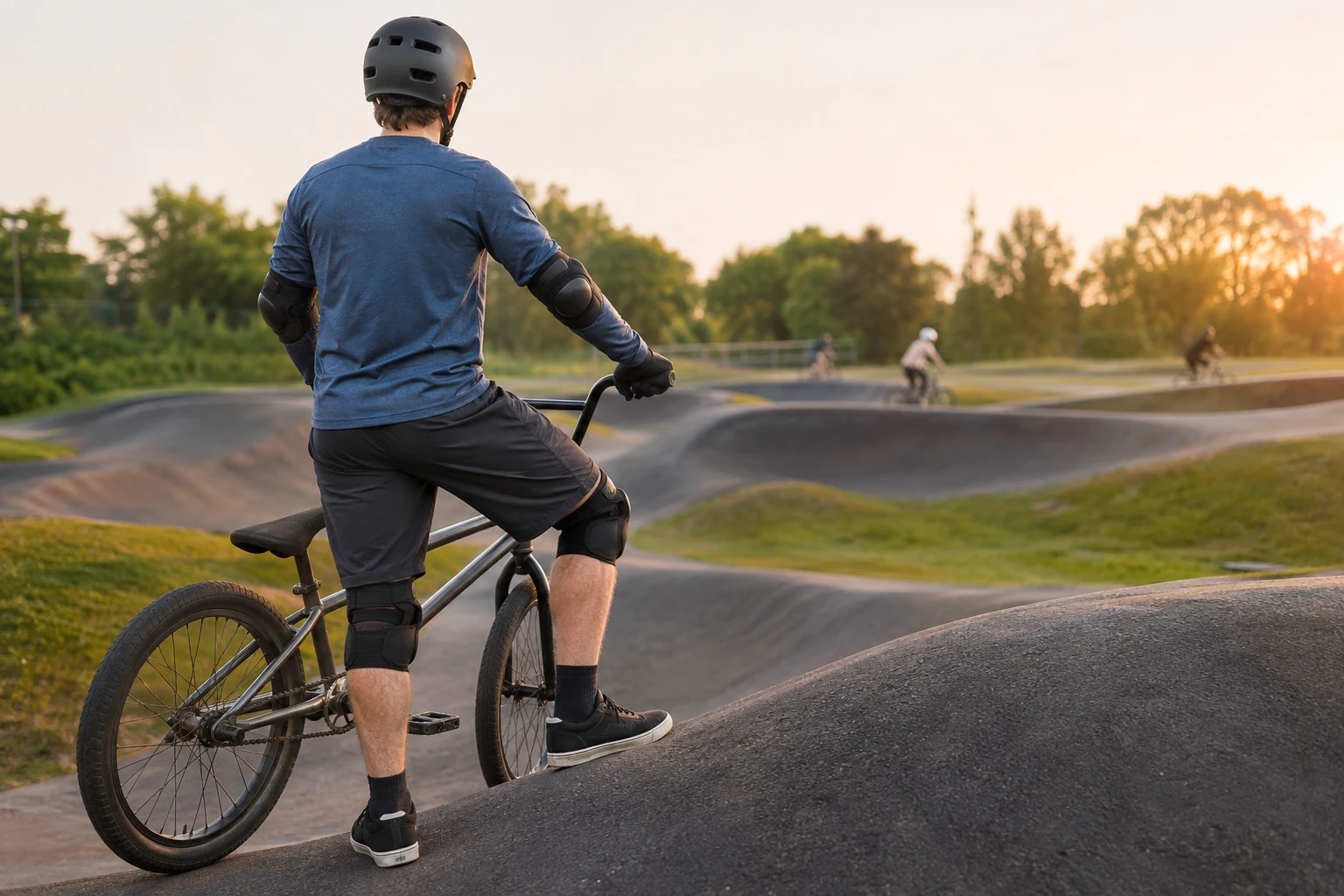
Finding a rhythm on the pump track
The first lap is for getting familiar with the track. You look at the turns and feel how the bike moves over the rollers before trying to find an easy rhythm.
Read the story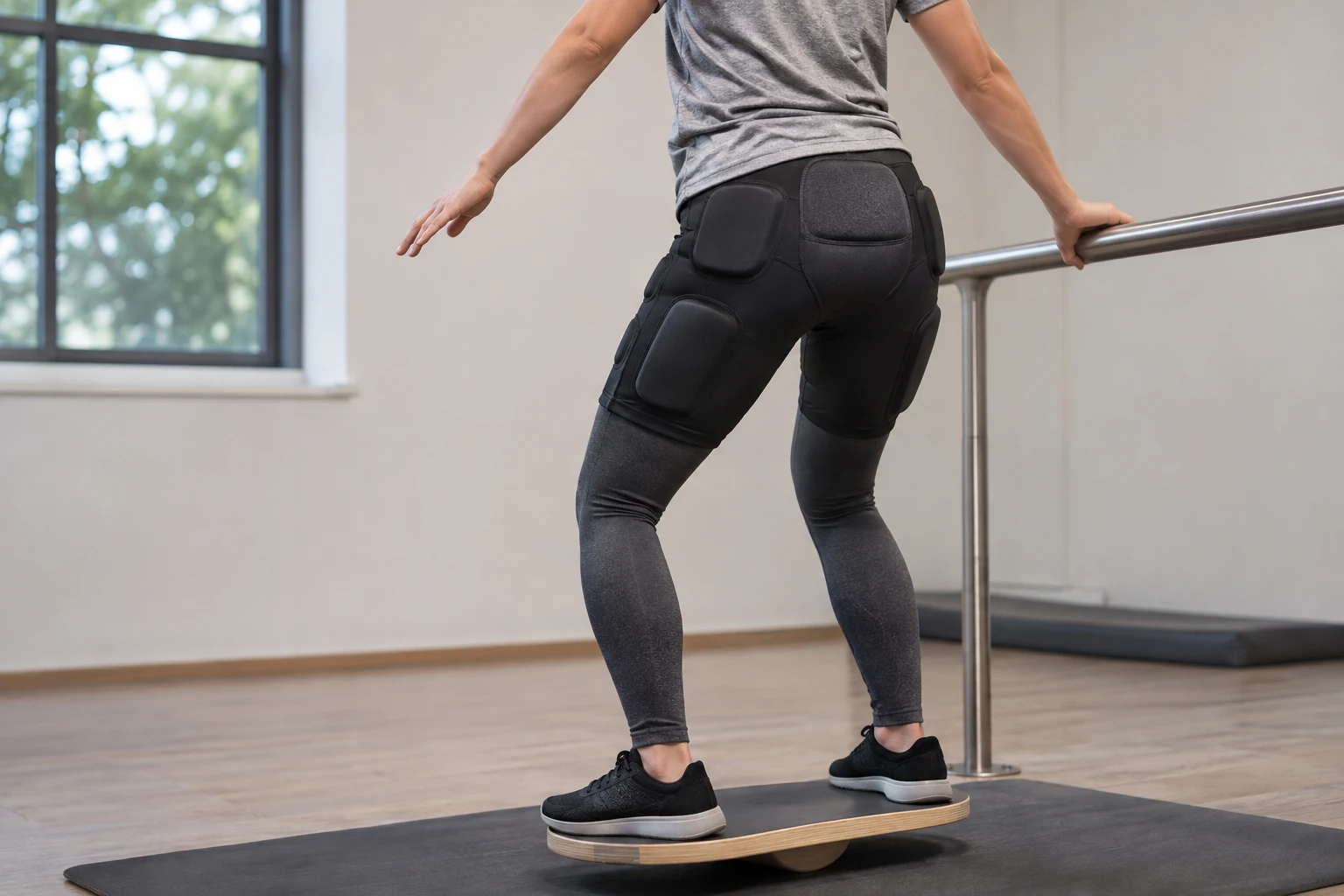
The most useful practice starts at home
Your bag is open, your sports trousers are draped over a chair and you still have a little time. It is a good moment to try on the complete outfit.
Read the story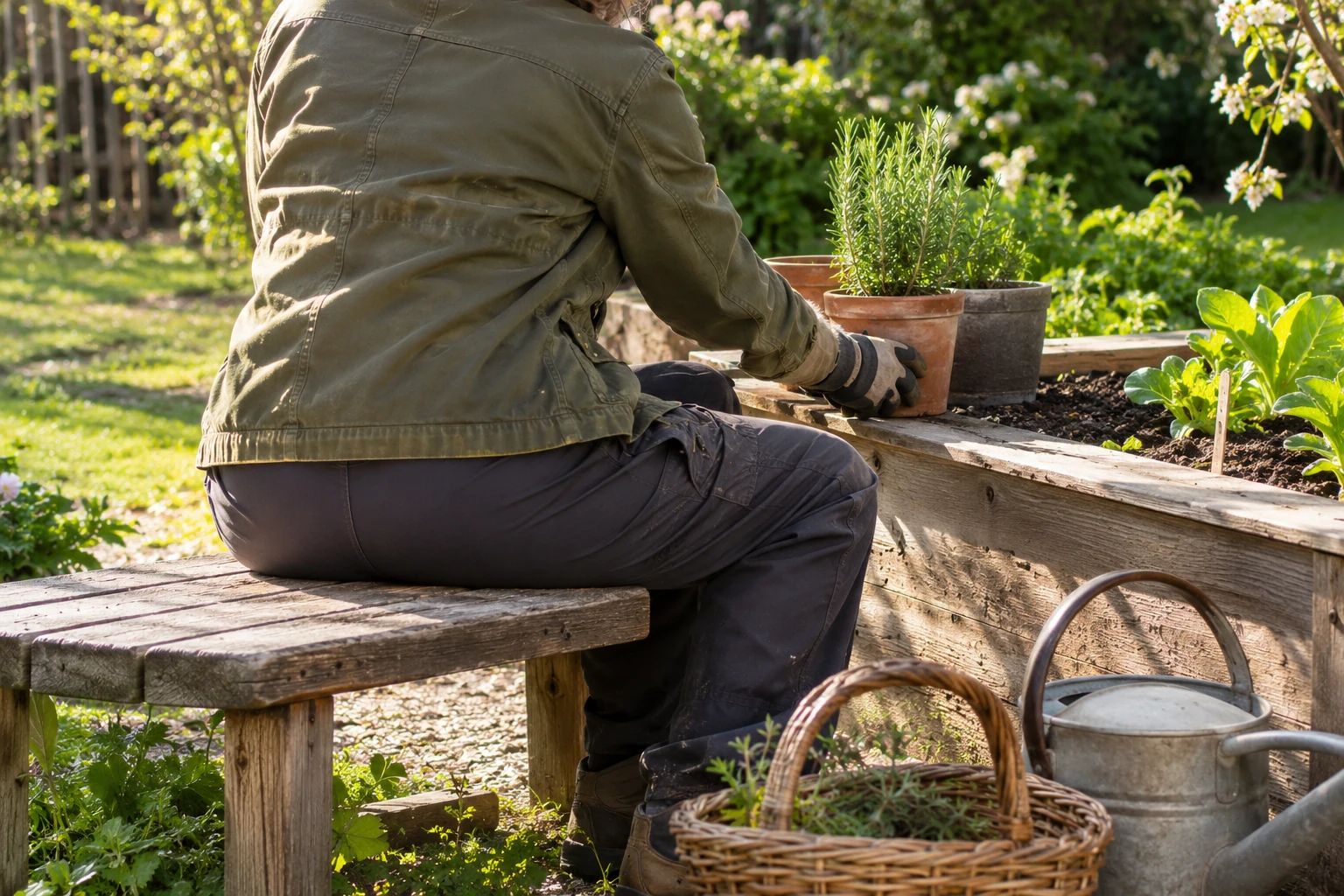
Between the garden and the shed
Moving a few pots, fetching something from the shed and sitting briefly on a low stool. An ordinary afternoon involves more changes of position than you might think.
Read the story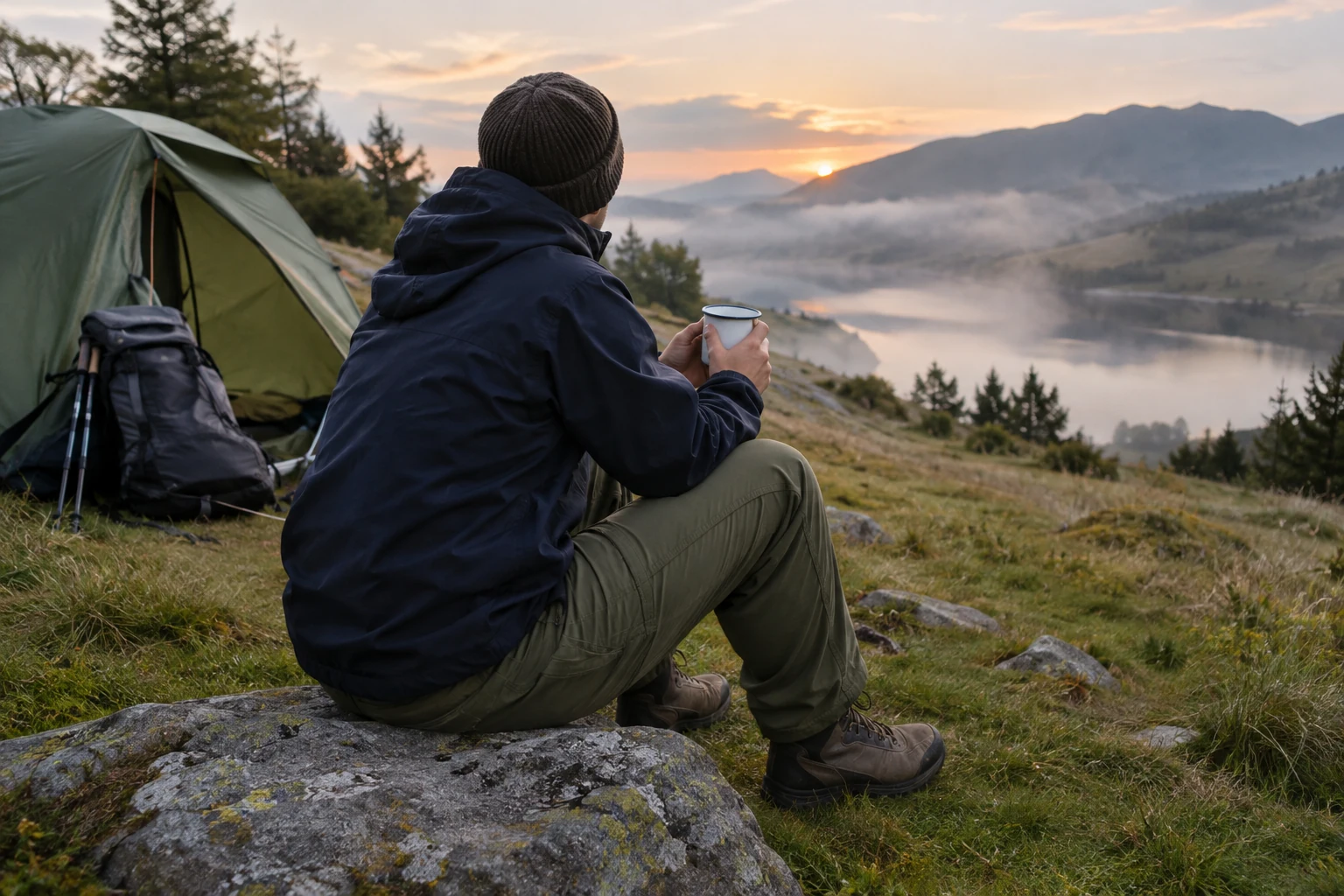
A coffee break at the campsite
The tent is up, your mug is full and you take a seat on a wooden bench. After walking and carrying your kit, sitting still suddenly feels like a different activity.
Read the story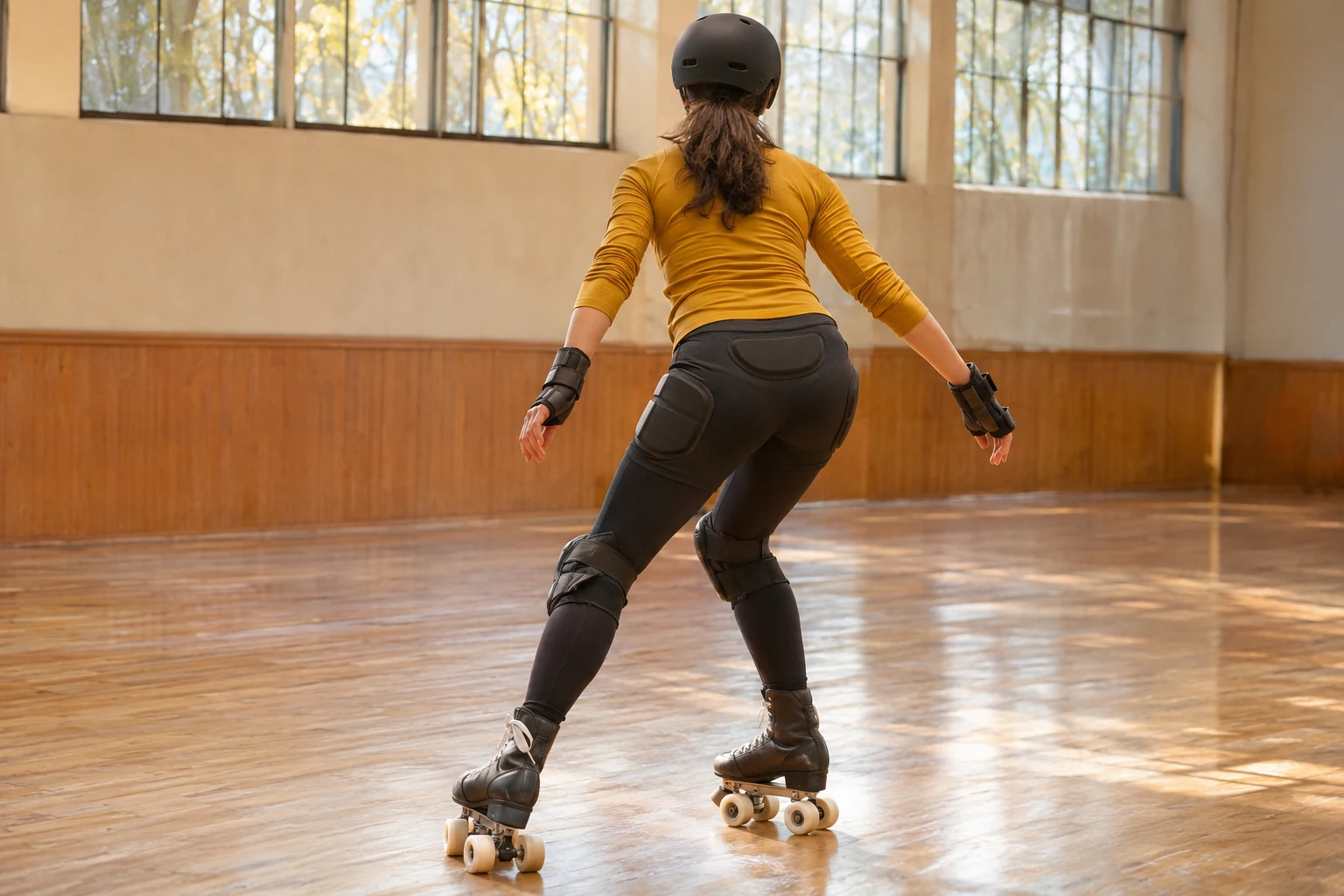
Ten activities, ten different fitting questions
It helps to picture your day before comparing models. On a snowboard, descents alternate with sitting down and reaching for your bindings. On a mountain bike, sitting and standing keep changing the space around the saddle. During a coffee break, what matters most is how the padding feels on that particular chair. The activity helps you decide what to look for in a garment.
The table below is a practical guide to clothing and fit. It does not assign protection levels or establish that an individual model is suitable for every activity listed. Check the instructions for the exact version for that information. Even within one sport, outer clothing, existing protectors and preferences for short or long legs can vary considerably. Use these points to make a more focused comparison.
| Activity | Main fitting question | Clothing and coverage to consider | An additional point |
|---|---|---|---|
| Snowboarding | Can you sit, draw your knees up and reach a binding without the rear section moving? | Compare shorts with separate knee equipment and long pants whose waist and knee zones need to fit together. | Try the fastening of your outer trousers and any connected upper garment too. |
| Skiing | Do the knee zones stay in position when you bend your legs with tall boots on? | Look at the space for leg hems, socks and any thermal layers around the boot cuff. | A longer leg does not, by itself, tell you how warm the fabric is. |
| Ice skating | Is there room for a low stance and a sideways push? | Pad placement and bulk feel different under close-fitting skating clothing than under loose outer trousers. | Compare the combination you will actually wear to the rink. |
| Inline skating | Do the shorts move with repeated pushes without pulling at the leg hems? | Include outer trousers and any separate knee pads in the comparison, including for warmer days. | Pay attention to where the bottom of the shorts meets the top of a knee pad. |
| Skateboarding | Can you bend and turn your front knee and rear hip independently? | Loose skate trousers offer different room for movement from jeans; the layer underneath still needs to fit closely itself. | Check how filled pockets and the fastening of your outer trousers sit as well. |
| Longboarding | How does the garment feel with one leg forward and when gently imitating a push? | Assess the chosen leg length in that uneven stance and with the rest of your clothing on. | A general reference to skating does not establish that a model is intended for every longboard discipline. |
| Mountain biking | How do the rear padding, your saddle and pedalling movement work together? | Assess the cycling chamois and impact padding separately, then look at the complete clothing combination. | Include both seated riding and standing on the pedals in your fitting questions. |
| BMX and pumptrack | Does the garment remain comfortable as you alternate between bending deeply and straightening up? | Compare the room around the hips and thighs and the combination with separate knee equipment. | A mention of mountain biking does not confirm suitability for every BMX activity. |
| Light gardening and household tasks | How does the padding feel when you bend, walk or sit on a low stool? | Try the garment under your everyday clothes and check whether the padding is where you want it. | Sports trousers with knee padding are not automatically knee protection for prolonged kneeling work. |
| Camping and ordinary seated breaks | What do you notice about pad edges on a bench or chair and when standing up again? | A shaped tailbone section can feel different from broader, soft seat padding; compare the actual construction. | A comfortable fitting on one chair does not predict how every other seat will feel. |
On a small screen, scroll this table horizontally. With a keyboard, focus the table region and use the arrow keys.
Turn a preference into a useful comparison
'I want plenty of padding' can cover several different wishes. Perhaps you want more coverage at the sides, would like the knees included in the same underlayer, or enjoy a soft layer when sitting. Write down the areas and movements that matter to you first. Then check the model description to see whether the garment actually includes those zones. A large rear-view photograph says little about padding at the front or knees.
Next, lay out the clothing you already use. Well-fitting separate knee pads may be a reason to consider shorts; a preference for one long underlayer may lead you to compare pants. Both choices need a fitting. With one combination, you assess how separate pieces meet; with the other, the waist, hips and knee height must all work within the same cut.
Also distinguish padding bulk from the warmth of the whole outfit. Fabric, outer trousers, base layers and the way you move all play a part. A garment you enjoy wearing on a winter descent may feel different under other clothes on a mild day. Do not draw general conclusions about warmth from a model's name, colour or length alone.
If two versions remain, compare them on the same points. Use the same outer trousers and the same gentle positions. Note what you feel at the waist, seat, thighs and, where relevant, knees. That helps identify whether you mainly want a different cut, pad layout or clothing combination. There is no need to invent a personal ranking of protective materials.
Can I use one protective garment for several activities?
Only within the uses specified for that version. Assess each clothing combination separately as well: a model can fit differently under loose snowboard trousers than under cycling clothing. Include the different positions and any separate protectors in your comparison.
How do I choose between low bulk and more padded zones?
First decide which zones you want and how much room your outer clothing provides. Then compare models that actually combine those requirements. A compact model and a garment with more zones address different fitting questions; the number of pads alone does not determine which combination suits you.
How should I read the activity stories on this site?
The stories describe ordinary situations in which you can assess clothing. They are illustrative examples, not product test reports or testimonials from named customers. Technical features and stated uses remain specific to the actual model.
A cycling chamois, a tailbone pad and soft seat padding
The padded insert in cycling shorts is often called a chamois. It forms part of the seating construction for contact with the saddle. Impact shorts generally refer to localised padding in other areas, such as the hips, thighs or tailbone. Read what the product actually contains. The word padded does not, on its own, distinguish these different functions.
If you already have cycling shorts that feel comfortable, bring them when trying additional padding. First check whether both garments have their own chamois and how their instructions allow the layers to be combined. Then assess whether edges, seams and waistbands end up in the same places. More padding or another clothing layer is not, by itself, an answer to what feels comfortable on your saddle.
An ordinary chair raises a different question. If you prefer a softer seat, pay particular attention to the position, width and shape of the padding that touches the seating surface. A separately shaped tailbone section need not feel the same as a broad, soft seat panel. Try sitting and standing gently in your own clothes. This is about personal comfort preferences; a product name does not establish a medical use or promise everyday sitting comfort.
- Read about the relationship between saddle, chamois and impact padding
- Compare padding during an ordinary seated break
Sources and image credits: British Cycling — Buying cycling shorts
What two users describe about wearing the garments
An experience becomes useful when someone describes how a garment felt during an activity. Below are two brief summaries of public reviews on the manufacturer’s site, covering mountain biking and inline skating. They offer practical points for your own fitting: comfortable movement, keeping the garment in position and having enough room beneath outer clothing.
These are personal wearing experiences. The review texts and dates have been checked; the purchases and exact versions have not been independently investigated. Use the relevant model description and size chart for specifications and sizing.
| Manufacturer page | Review date | Brief summary of the experience |
|---|---|---|
| Demon · Zero RF shorts | 2026-09-06 | Mountain biker: comfortable to wear, with no readjustment needed during that ride. |
| Demon · Zero RF shorts | 2026-07-18 | Inline skater: close fit, little bulk under roomier shorts. |
On a small screen, scroll this table horizontally. With a keyboard, focus the table region and use the arrow keys.
How can an experience like this help with my own choice?
Check the same practical points when trying on the garment: can you move comfortably, does the padding stay in position and does it fit beneath your own outer clothing? These experiences help make the questions concrete. Your measurements and the chart for your version remain the starting point for size selection.